A free museum where the objects tell the history of everyday materials
In Old City Philadelphia, a free museum asks a wonderfully strange question: how did the substances around us become part of everyday life? The Science History Institute at 315 Chestnut Street follows the.
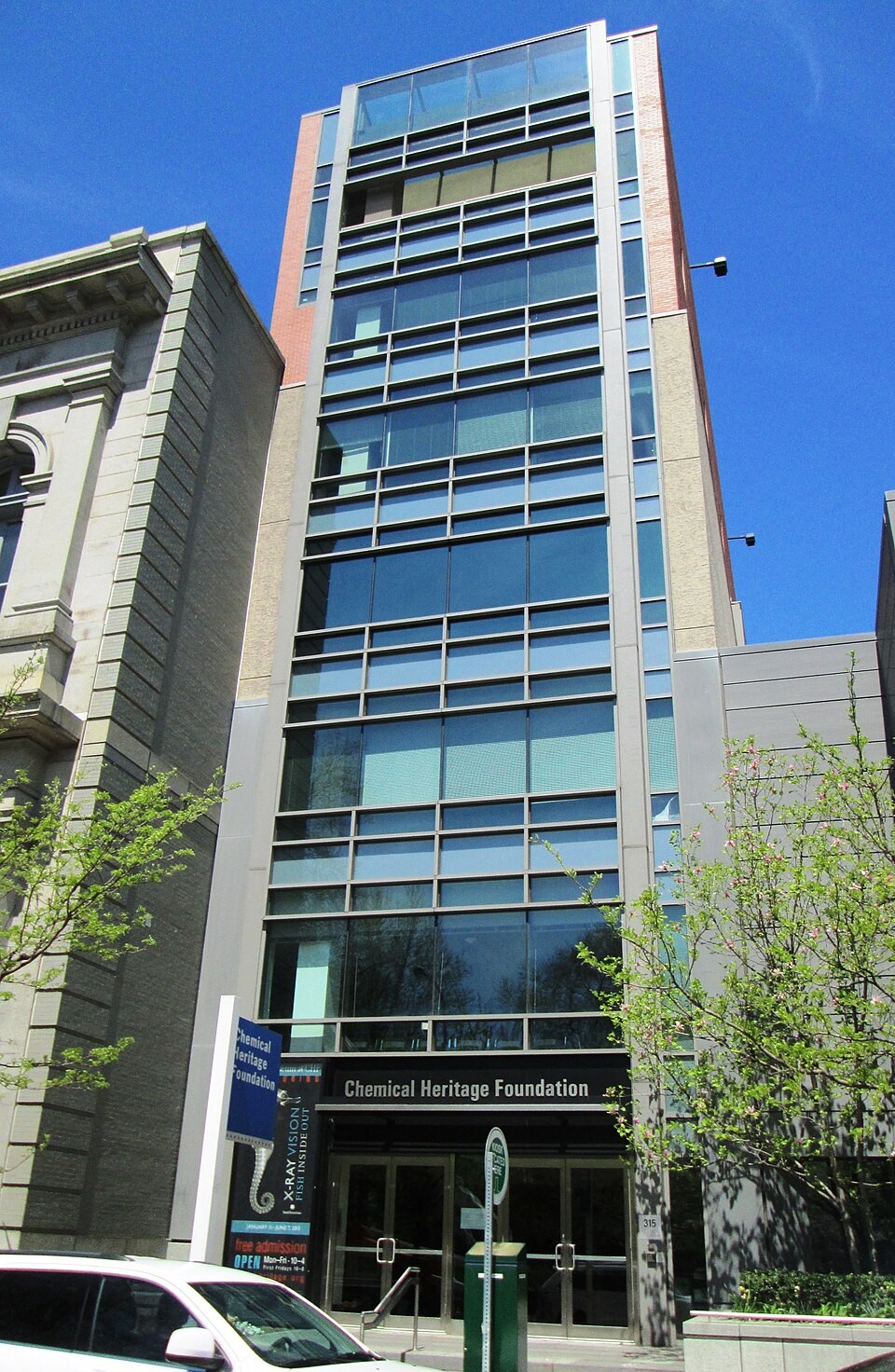

In Old City Philadelphia, a free museum asks a wonderfully strange question: how did the substances around us become part of everyday life? The Science History Institute at 315 Chestnut Street follows the history of materials, instruments, experiments and the people who made them. It is also an example of a third space that does not require a purchase to enter.
A different way into science
The Institute's public museum connects medieval alchemy with modern chemistry and plastics. Its current visitor information lists permanent displays including Earthly Matters, a mineral-focused exhibition, and a rotating exhibition titled Flash! Bang! Boom! A History of Fireworks. The appeal is not just the famous discovery or the polished laboratory instrument. It is the way an ordinary object can reveal a chain of decisions, workers, manufacturing processes and changing beliefs.
The museum's official hours are Wednesday through Saturday, 10 AM to 5 PM, with free admission. That is the published schedule checked for this story on October 27, 2026, not a promise that every holiday or special program will follow normal hours. The institution advises checking its site for current visits, events and accessibility.
Try the object biography game
Bring a friend and each choose an object or material from an exhibit. Instead of asking only 'what is this?', ask five questions: Who needed it? What did it replace? Which resource made it possible? Who gained or lost from its adoption? What is its afterlife as waste, repair material or museum artifact?
A piece of glass can become a story about furnaces and optics. A synthetic fiber can open a discussion of chemistry, clothing and industrial production. A fireworks exhibit can connect spectacle with chemical knowledge, craft, regulation and risk. The museum provides the material; the questions make the visit collaborative.
This is an editorial activity suggested by Villager, not an official Science History Institute program. Do not imply the museum has endorsed or scheduled it.
Why free access changes the room
A place where entry does not depend on buying a meal or ticket lowers one obvious barrier to casual participation. That alone does not make it universally accessible or socially welcoming. Hours, transportation, physical access, quiet space, language, group norms and whether people know the place exists all matter.
Still, free cultural institutions create possibilities that ordinary retail cannot always provide. Someone can return for a different exhibition, bring a friend who is curious but short on money, or make a regular habit of learning about the city. The place becomes part of a community map rather than a one-time destination.
A small invitation worth trying
For a self-directed visit, choose one Saturday or weekday opening, check the official schedule and spend an hour with two objects. Afterwards, compare your object biographies at a nearby public place. If one question remains unanswered, note it for the next visit or use the Institute's research resources.
Villager Open Network is building a map of genuine places where people can discover, learn, make and meet. This is a verified third-space recommendation, not a Villager-hosted event or partnership. The pictured exterior was photographed in 2013, before the institution adopted its current name in 2018. Official visit details: https://www.sciencehistory.org/visit/.
Read the original sources
www.sciencehistory.org ↗www.sciencehistory.org ↗commons.wikimedia.org ↗Sources checked October 29, 2026. Time-sensitive details should be checked again before acting.
Discover places to gather and ways to participate with Villager.
Explore community events →