The Philadelphia refrigerator that belongs to everyone
Not every third space needs a stage, a café menu or a membership. Sometimes the social infrastructure is a refrigerator and pantry that neighbors can access without filling out a form. Philadelphia's community fridges of

Not every third space needs a stage, a café menu or a membership. Sometimes the social infrastructure is a refrigerator and pantry that neighbors can access without filling out a form. Philadelphia's community fridges offer a striking example: a public-facing place that turns ordinary routines into a mutual-aid network.
A real address, not just an idea
Share Food Program says there are more than thirty community fridges across Philadelphia. Its own Share Community Fridge & Pantry is outside its food bank at 2901 West Hunting Park Avenue. According to Share, the fridge and pantry are available around the clock and people can take food without paperwork. Volunteers and the Philly Food Rescue program help supply it.
The address is useful because it turns a broad idea into a place someone can investigate. It does not mean every refrigerator in the city has the same stocking schedule, access conditions or organizers. Food availability changes, and individual sites may have different guidelines.
Why a fridge is a social institution
A successful fridge needs more than a donated appliance. It needs electricity, a host site, sanitation routines, food-safety decisions, clear labeling, volunteers, neighborhood communication and reliable replenishment. Those are the hidden operating systems of a seemingly simple shared resource.
It also changes the social script. A person can contribute a small amount, take what they need, or help keep the place usable. Participation does not require a long meeting or a formal title. Yet the project still needs accountable stewards. Openness works best when someone is responsible for the unglamorous details.
Share lists ways to help, including moving rescued food, stocking the pantry and neighborhood outreach. Anyone considering donations should check its current guidelines first rather than assuming all food is suitable.
A Villager field question
Imagine mapping not only cafés and galleries but also the quiet institutions that make neighborhoods work: tool libraries, repair gatherings, food pantries, gardens and community fridges. The useful data would include the steward organization, verified access, ways to contribute and the date information was last checked.
This is a proposal for Villager's discovery layer, not a claim that these features are already implemented. Community spaces should have a way to correct outdated listings and control how their information is represented.
The best question to ask a place is not simply 'Is it open?' It is 'What keeps it going, and how can a neighbor help without making more work for the people running it?'
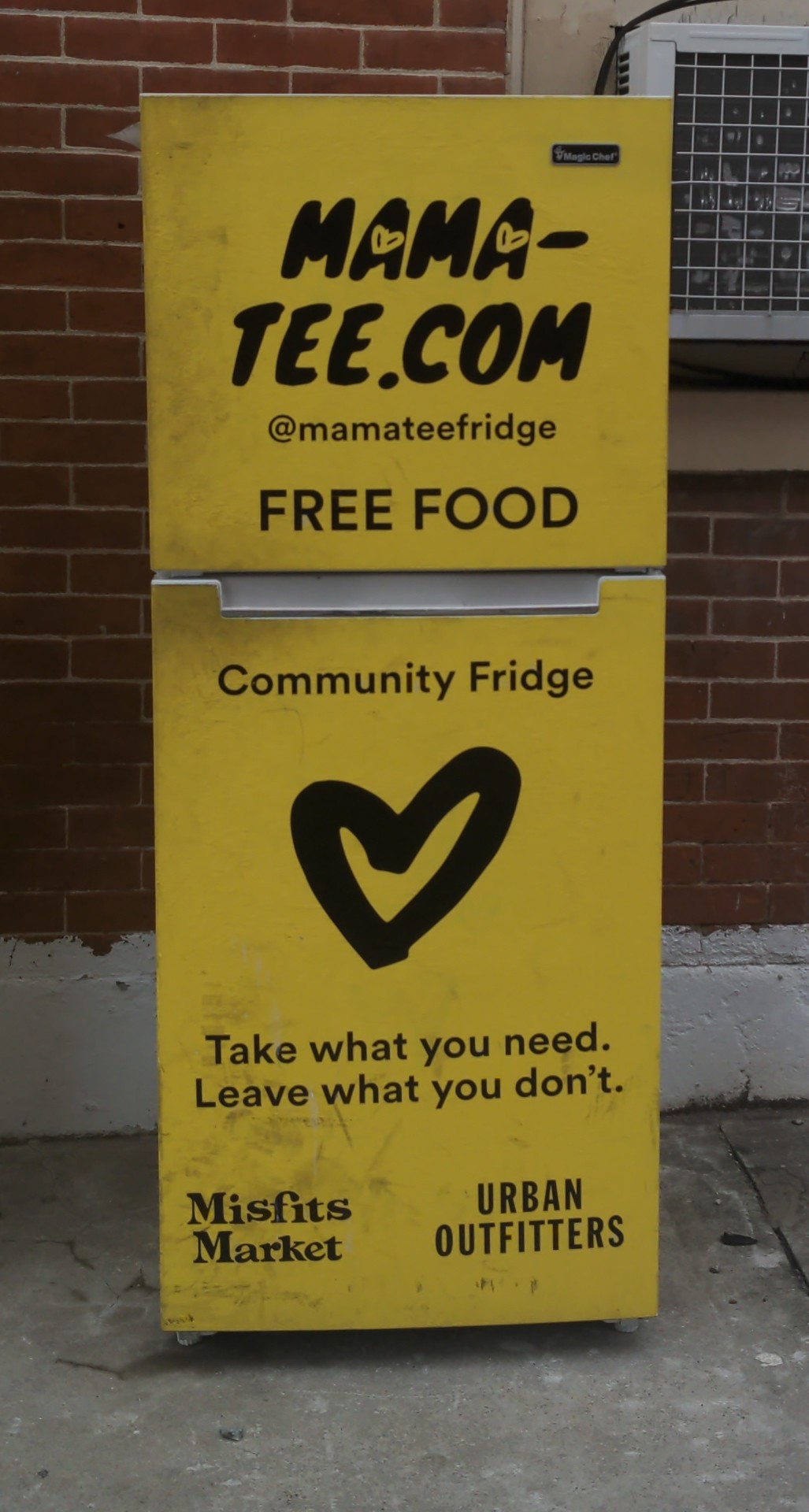
Photo context: Sunmist photographed a Mama-Tee community fridge in Philadelphia in March 2022. It is a historical editorial image of the broader community-fridge movement, not the Share fridge at West Hunting Park Avenue and not evidence that the photographed location is currently operating.
Read the original sources
www.sharefoodprogram.org ↗Sources checked October 29, 2026. Time-sensitive details should be checked again before acting.
Discover places to gather and ways to participate with Villager.
Explore community events →